
Mysore, in southern India, is a graceful city known for its royal heritage, grand palaces, tree-lined boulevards, and a calm atmosphere that reflects both its historic significance and enduring cultural traditions.
India: Karnataka – Bengaluru, the Capital city of Karnataka
Contents
1. About Bengaluru
2. Things to do
– Explore the ISKCON Temple Bengaluru
– Check out the Bull Temple (Dodda Basavana Gudi)
– Visit Bangalore Fort
– Get lost in the expanse of KR Market (Krishna Rajendra Market)
– Relax in Cubbon Park
– Wander through Lalbagh Botanical Garden
– Explore Visvesvaraya Industrial & Technological Museum
– Enjoy the spectacle of Tipu Sultan’s Summer Palace
– Discover the architectural diversity of Bengaluru Palace
– Immerse in the artwork of the National Gallery of Modern Art (NGMA Bengaluru)
3. Getting around
4. Vegan dining options
5. Best time to visit
6. Where to stay
About Bengaluru
Bengaluru, often still called Bangalore, is one of India’s most dynamic and fast-changing cities. Once known as the “Garden City” for its tree-lined streets and pleasant climate, it has grown into a major centre for technology, education, and innovation. Modern glass buildings now stand beside old colonial bungalows, and the city’s pace can shift from calm to hectic within a few streets. The weather is mild for most of the year, making it an appealing place for both locals and visitors. Large parks such as Cubbon Park and Lalbagh Botanical Garden remain green lungs in the middle of the city, where people come early in the morning to walk, jog, or simply enjoy the fresh air.
Life in Bengaluru reflects a mix of old traditions and modern habits. The local markets, such as KR Market, are full of colour and movement, with piles of flowers, spices, and fresh produce creating a lively, sensory experience. At the same time, sleek shopping malls, trendy cafés, and coworking spaces attract a younger crowd. The city’s population comes from across India, bringing a variety of languages, cuisines, and cultural expressions. South Indian dishes like dosa and idli are popular for breakfast, but you can also find food from every part of the country, along with a growing vegan and international food scene. Despite the busy traffic and occasional infrastructure strain, many people describe Bengaluru as having a certain relaxed charm that sets it apart from other large Indian cities.
Bengaluru also has a deep connection with science, education, and culture. It is home to prestigious institutions such as the Indian Institute of Science (IISc) and the National Centre for Biological Sciences, which contribute to its reputation as a knowledge hub. The city has a thriving music and arts community, with regular performances, festivals, and exhibitions. Even as construction and technology reshape the skyline, the people of Bengaluru retain a strong sense of local pride and identity. Conversations in English, Kannada, Hindi, and several other languages mix easily in its cafés and public spaces. For many, the city represents both the challenges and the possibilities of modern India — a place where heritage and progress continue to exist side by side.

Things to do
🛕 Explore the ISKCON Temple Bengaluru
The ISKCON Temple in Bengaluru, formally known as the Sri Radha Krishna Temple, is one of the largest and most architecturally distinctive ISKCON complexes in the world. Opened in 1997, the temple sits atop Hare Krishna Hill in Rajajinagar and blends traditional Dravidian architectural features with modern construction techniques. Its soaring gopurams, gold-plated kalashas and intricate carvings create an atmosphere of serenity that contrasts with the energy of the city below. The complex was established under the guidance of the International Society for Krishna Consciousness, founded by A. C. Bhaktivedanta Swami Prabhupada, and serves both as a place of worship and as a cultural centre that promotes Vaishnavism. Visitors entering through the long, ascending walkways pass through several shrines before reaching the main sanctum dedicated to Sri Sri Radha Krishnachandra, where devotional music and chanting fill the air.
Beyond its spiritual significance, the temple plays an important role in community support and cultural education in the region. It houses administrative spaces, exhibition areas, a theatre, and facilities for devotional workshops and seminars. ISKCON’s emphasis on social welfare is reflected in its numerous charitable initiatives, including large-scale educational and humanitarian programmes that benefit vulnerable communities across Karnataka. Architecturally, the temple is a marvel of both scale and symbolism, with each element conceived to enhance contemplation and spiritual upliftment. A visit offers not just an understanding of the ISKCON movement’s global reach, but also insight into Bengaluru’s multicultural spiritual landscape, where traditional Hindu philosophy is presented in a modern, accessible format for devotees and visitors alike.

🐂 Check out the Bull Temple (Dodda Basavana Gudi)
The Bull Temple, located in Basavanagudi, is one of the oldest temples in Bengaluru and one of the most significant in South India dedicated to Nandi, the sacred bull and devoted attendant of Lord Shiva. Built in the 16th century during the reign of Kempe Gowda I—the founder of Bengaluru—the temple showcases classic Dravidian architectural elements with its towering entrance and granite pillars. The centrepiece is a monolithic Nandi statue carved from a single block of granite, notable for its massive scale and fine detailing. The statue is believed to grow slightly over time, a myth deeply rooted in local lore and often mentioned in historical accounts of the city.
Surrounded by leafy avenues and situated on a calm hillock, the temple offers a peaceful retreat from the city’s bustle. Beyond its religious significance, the Bull Temple provides a window into the early history of Bengaluru, reflecting the city’s pastoral origins and the agrarian communities that once flourished in the region. The temple also influenced the development of the Basavanagudi neighbourhood, one of the earliest planned localities in Bengaluru, known for its wide roads, heritage homes, and traditional markets. Visiting the temple allows travellers to engage with the spiritual, architectural, and cultural foundations upon which the modern metropolis has grown.

🏰 Visit Bangalore Fort
Bangalore Fort traces its origins to the mid-16th century when Kempe Gowda I built it as a mud structure to protect his expanding settlement. It was later transformed into a stone fort by Hyder Ali in the 18th century and strengthened by his son, Tipu Sultan, who used it as a strategic defence post during battles with the British East India Company. Though much of the original fortification has been lost to modern development, the surviving Delhi Gate and portions of the ramparts stand as a reminder of Bengaluru’s turbulent military past. The fort’s imposing arches, thick granite walls, and remnants of defensive design give visitors a sense of the power and ambition of the rulers who once controlled the region.
A walk through the site reveals layers of history, from the earliest founders of the city to the era of colonial conflict. Informational plaques and preserved structures help visitors understand the fort’s role in regional politics and its importance in the Anglo-Mysore Wars, where Tipu Sultan resisted British expansion with notable tenacity. The fort’s location in the heart of the modern city demonstrates the dramatic transformation of Bengaluru from a fortified settlement to a global technology hub. Despite its smaller footprint today, Bangalore Fort remains an essential stop for understanding the city’s heritage and the forces that shaped its historical trajectory.

🌺 Get lost in the expanse of KR Market (Krishna Rajendra Market)
KR Market, one of Asia’s largest flower and wholesale markets, is a sensory-rich landmark that encapsulates the energy and industriousness of Bengaluru. Originally constructed in the early 20th century during the rule of the Mysore Wodeyars, the market stands on the site of a former fort battleground, symbolising the city’s transition from conflict to commerce. Its sprawling complex includes multiple levels dedicated to fresh produce, textiles, tools, and handcrafted goods, but it is the ground-floor flower section that leaves the deepest impression, with vibrant garlands and loose petals brought in from surrounding villages at dawn.
Beyond its commercial role, KR Market offers a look into the rhythms of daily life and traditional trade systems that have persisted for generations. Many of the vendors belong to families who have operated stalls for decades, contributing to the market’s strong sense of continuity and community. The market reflects Bengaluru’s multicultural identity, where people from different linguistic and regional backgrounds converge to buy and sell. Its early-morning hustle, narrow aisles, and historic architecture make it a place that rewards patient exploration and photography. Visiting KR Market provides an authentic encounter with the city’s working-class spirit and heritage of craft and trade.

🌳 Relax in Cubbon Park
Cubbon Park, established in 1870 by Sir John Meade and later named after Sir Mark Cubbon, is an expansive green refuge in the centre of Bengaluru. Spanning over 300 acres, the park features mature trees, manicured avenues, and shaded pathways that offer a calm escape from urban life. Its landscape design is strongly influenced by British colonial sensibilities, blending structured gardens with natural woodland areas. Scattered throughout the park are statues of historical figures, elegant bandstands, and water features that reflect its Victorian-era roots. The park has long served as a social and recreational hub for residents, hosting walkers, artists, students, and families.
Architectural landmarks within or near the park—such as the State Central Library with its distinctive red façade, the High Court of Karnataka, and the impressive Vidhana Soudha nearby—provide cultural depth to any visit. These structures frame the park as a civic centre, reflecting the city’s intellectual and administrative identity. The park also harbours a diverse range of flora, making it a destination for nature enthusiasts and photographers. Cubbon Park remains a symbol of Bengaluru’s reputation as a “Garden City,” reminding visitors of the importance of green spaces in shaping the character and livability of urban environments.

🦚 Wander through Lalbagh Botanical Garden
Lalbagh Botanical Garden is one of India’s most renowned horticultural spaces, originally commissioned in the 18th century by Hyder Ali and expanded by his son Tipu Sultan. Its design was influenced by Mughal gardens and later enriched by British horticulturists, ultimately evolving into the scientifically curated garden visitors see today. Lalbagh is home to an extraordinary variety of plant species, including many rare and exotic specimens collected from around the world. Its Glass House—modelled on London’s Crystal Palace—is an architectural icon used for large-scale horticultural exhibitions.
The garden’s pathways lead past serene lakes, centuries-old trees, and the famous Lalbagh Rock, a 3,000-million-year-old geological formation said to be one of the oldest on Earth. Informational boards provide insight into botanical science, conservation efforts, and the history of the garden’s development. Lalbagh remains not only a place for leisure but also a site for research, plant preservation, and environmental education. Whether appreciated for its tranquil beauty, historical lineage, or scientific significance, Lalbagh Botanical Garden offers a profound connection to Bengaluru’s green heritage.

🧪 Explore Visvesvaraya Industrial & Technological Museum
The Visvesvaraya Industrial & Technological Museum (VITM), established in 1962, honours Sir M. Visvesvaraya, one of India’s most celebrated engineers and statesmen. The museum is dedicated to fostering scientific curiosity through engaging, interactive exhibits that span a wide range of fields, including space exploration, mechanics, biotechnology, and robotics. Each gallery is designed to explain complex scientific principles using hands-on models, making it a popular destination for families, students, and visitors with an interest in innovation.
Beyond the displays, the museum also preserves the legacy of Visvesvaraya’s contributions to engineering and nation-building, highlighting his pioneering work in irrigation systems, flood control, and industrial planning. Over the decades, the museum has expanded its collection to reflect modern technological advancements, keeping pace with Bengaluru’s reputation as a hub for science and industry. It serves as both an educational resource and a cultural institution that celebrates the city’s rise as a centre for research and technology. The museum’s immersive approach ensures a visit that is both informative and genuinely enjoyable.

🕌 Enjoy the spectacle of Tipu Sultan’s Summer Palace
Tipu Sultan’s Summer Palace is an exquisite example of Indo-Islamic architecture, built primarily from teak wood and completed in the late 18th century. Located near KR Market, the palace served as Tipu Sultan’s retreat during the warmer months and reflects his refined taste and strategic mind. The structure features intricate frescoes, carved balconies, arched corridors, and elegant pillars that showcase the artistry of the Mysorean craftsmen. Its airy interiors and shaded verandas were designed to offer comfort during the intense summer heat, while still maintaining a sense of royal grandeur.
Today, the palace houses a small museum that narrates the life and legacy of Tipu Sultan, often called the “Tiger of Mysore” for his resistance against British colonial forces. Exhibits include historical artefacts, weaponry, illustrations, and documents that shed light on his administration, military campaigns, and innovations. The palace stands as a poignant reminder of the Mysore Kingdom’s cultural and political significance, and it offers visitors a rare glimpse into the lifestyle of one of India’s most enigmatic rulers. Its proximity to other historic sites makes it a natural stop for heritage enthusiasts.

🧭 Discover the architectural diversity of Bengaluru Palace
Bengaluru Palace, built in the late 19th century by the Wodeyar dynasty, is a striking structure inspired by Tudor and Scottish Gothic architectural styles. With its fortified towers, turrets, battlements, and elaborate woodwork, the palace reflects the aspirations of the Mysorean royalty to fuse European aesthetics with Indian craftsmanship. The interiors are adorned with ornate ceilings, stained glass, vintage photographs, and carefully preserved artefacts that illustrate the opulent lifestyle of the Wodeyars. The palace grounds were once used for horse riding and leisure activities, creating a royal enclave in the midst of the city.
Walking through the palace offers a journey through Bengaluru’s aristocratic past, highlighting its links to both traditional Indian rule and Western artistic influence. Audio guides and well-maintained exhibits help visitors understand the palace’s historical context and the evolution of the Wodeyar dynasty. The surrounding gardens further enhance the experience, offering tranquil spaces that contrast with the palace’s fortress-like exterior. Bengaluru Palace remains one of the most visually captivating heritage buildings in the city, appealing to those who appreciate history, architecture, and royal culture.

🖼️ Immerse in the artwork of the National Gallery of Modern Art (NGMA Bengaluru)
The NGMA Bengaluru, housed in a beautiful colonial-era mansion known as Manikyavelu Mansion, offers an in-depth journey through the evolution of modern and contemporary Indian art. Its elegant architecture and leafy grounds create a tranquil environment that invites prolonged exploration. The gallery’s permanent collection includes works by some of India’s most influential artists—Raja Ravi Varma, Amrita Sher-Gil, Jamini Roy, and Rabindranath Tagore among them—providing a comprehensive view of shifting artistic movements from the late 19th century to the present.
Temporary exhibitions expand on this foundation by highlighting emerging artists, experimental mediums, and thematic explorations of culture, identity, and history. The layout of the gallery encourages thoughtful engagement, guiding visitors from early academic art to nationalist movements, abstract expressionism, and contemporary installations. Beyond its exhibitions, the NGMA also hosts lectures, film screenings, and workshops, making it an important cultural centre that nurtures creative discourse. For visitors seeking a deeper understanding of Indian art beyond traditional forms, this gallery offers a rich and carefully curated experience.

Getting around Bengaluru
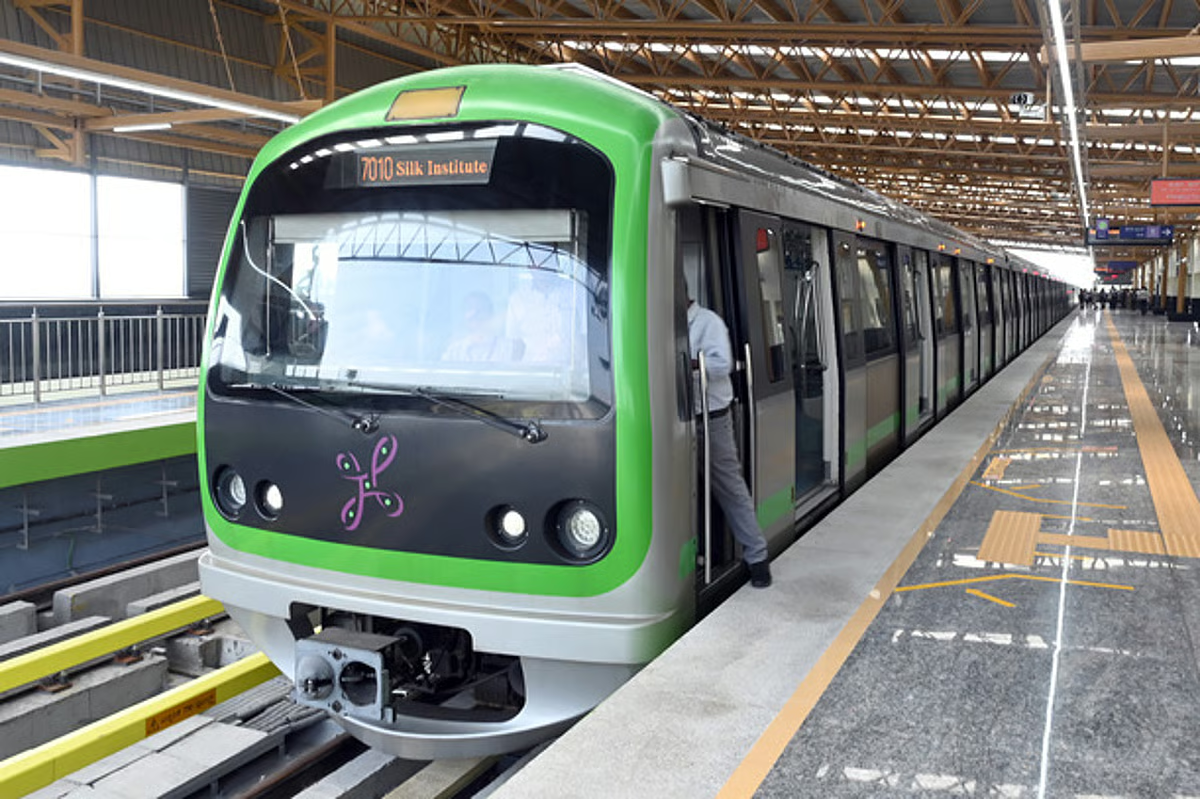
🚇 Public Transport in Bengaluru
Getting around Bengaluru is straightforward thanks to its expanding and well-organised public transport network. The system includes the Namma Metro, city buses operated by the BMTC (Bangalore Metropolitan Transport Corporation), and suburban trains connecting key districts. The Namma Metro currently has two main lines — the Purple Line running east to west and the Green Line running north to south — intersecting at Majestic (Kempegowda Station), which serves as the city’s central hub. The metro is modern, clean, and one of the fastest ways to beat the city’s traffic, with regular services from early morning until late evening. BMTC buses cover almost every corner of Bengaluru, including routes to major tech parks, residential areas, and markets. The Vajra AC buses offer a more comfortable ride, while the Vayu Vajra airport buses are ideal for those heading to or from Kempegowda International Airport. Tickets can be purchased on board or via the Namma Metro smartcard and mobile apps.
🚶 Walking and Cycling
Bengaluru’s central neighbourhoods such as MG Road, Church Street, and Indiranagar are pedestrian-friendly and pleasant for walking, particularly in the early morning or evening when the weather is cooler. Many areas have wide pavements, and new projects are gradually improving walkability across the city. The city’s many parks, including Cubbon Park and Lalbagh Botanical Garden, are perfect for peaceful strolls surrounded by greenery. For cyclists, the city is developing more bike lanes and dedicated paths, particularly around tech corridors and residential zones. The Yulu electric bike-sharing system makes it easy to hire e-bikes from stands near metro stations, offices, and shopping areas, offering a sustainable and fun way to move around shorter distances.
🚖 Taxis, Rideshares, and Car Hire
App-based rideshares such as Ola and Uber are the most convenient way to get around Bengaluru, especially for routes not covered well by public transport. They are affordable, widely available, and allow for cashless payment. Auto rickshaws are another common choice for short journeys; fares are metered, but it’s often best to confirm the rate before starting your trip. Taxis are also available, though they tend to be less common than rideshares. For visitors planning to explore beyond the city, car hire is easily arranged through major companies or with private drivers. However, due to heavy traffic and limited parking in central areas, driving yourself is not generally recommended within the city limits.
🚄 Trains and Day Trips
Bengaluru’s main railway stations — KSR Bengaluru City Junction (Majestic) and Krantivira Sangolli Rayanna Station — connect the city to other parts of India, including Chennai, Mysuru, Hyderabad, and Mumbai. Suburban trains, operated under the South Western Railway network, are a fast and inexpensive way to reach nearby areas such as Whitefield, Yelahanka, and Hosur. The newly launched Bengaluru Suburban Rail Project is gradually improving connectivity for daily commuters. For day trips, regular trains to Mysuru, Nandi Hills, or Chikkaballapur make it easy to escape the bustle and enjoy the surrounding countryside.
✈️ Getting To and From the Airport
Kempegowda International Airport (BLR) is about 35 kilometres north of the city centre and is well connected by public transport. The Vayu Vajra airport buses run 24 hours a day, linking the airport with major neighbourhoods such as Indiranagar, Koramangala, and Hebbal. The newly opened Namma Metro Blue Line extension is expected to provide a direct metro link to the airport, making travel even faster. Taxis and rideshares are also readily available outside the terminal and usually take 45 to 60 minutes to reach the city, depending on traffic. Private airport transfers and car services are an alternative for those seeking comfort and fixed rates.
🗺️ Summary
| Mode of Transport | Convenience | Cost | Notes |
|---|---|---|---|
| Metro | 🚇 Excellent | 💰 Affordable | Fastest way across the city |
| Bus | 🚌 Very Good | 💰 Affordable | Extensive and reliable routes |
| Walking | 🚶♀️ Good | 🆓 Free | Best in central areas |
| Cycling | 🚴♂️ Good | 💰 Low | Use Yulu electric bikes |
| Taxi / Rideshare | 🚖 Very Convenient | 💰💰 Moderate | Ola and Uber widely available |
| Train | 🚄 Excellent | 💰 Affordable | Great for nearby towns |
| Airport Transfer | ✈️ Easy | 💰 Moderate | Vayu Vajra or taxi options |
Bengaluru’s mix of modern metro lines, efficient buses, and reliable rideshares makes travelling around the city both easy and flexible. Whether gliding through the metro tunnels, cycling between cafes, or taking a scenic train ride to Mysuru, getting around this dynamic city is a blend of practicality and everyday adventure.
Eating out for vegans in Bengaluru

🥗 Vegan Food in Bengaluru, India
Bengaluru has become one of the best cities in India for vegan dining, with plenty of cafés and restaurants serving delicious, plant-based meals. Here are some great spots to try:
🌿 Carrots – Koramangala
One of Bengaluru’s first vegan cafés, Carrots serves everything from hearty burgers and curries to healthy salads and desserts. The friendly team promotes sustainability and cruelty-free living.
📍 Address: No. 607, 80 Feet Road, Koramangala 6th Block, Bengaluru
🌐 Website: carrots-india.com
🍜 The Yoga House – Indiranagar
A peaceful café offering vegetarian and vegan-friendly dishes. It’s a great place to relax with smoothies, salads, and light meals after a yoga session. Vegan items are clearly marked on the menu.
📍 Address: 136, 1st Cross, Domlur 2nd Stage, Indiranagar, Bengaluru
🌐 Website: https://www.facebook.com/theyogahousebangalore/
🛒 Justbe Café – Sadashivanagar
A fully vegan café focused on wholesome and oil-free meals. The menu features wraps, grain bowls, and natural desserts made without refined sugar. It’s also known for its wellness workshops.
📍 Address: 383, 11th Main Road, Sadashivanagar, Bengaluru
🌐 Website: justbecafe.in
🍽️ Green Theory – Residency Road
A charming café in a heritage bungalow with a relaxed garden setting. It serves a wide mix of vegan and vegetarian options, including pastas, salads, and smoothie bowls.
📍 Address: 15, Convent Road, Residency Road, Bengaluru
🌐 Website: greentheory.in
🧁 Enerjuvate Café – Jayanagar & Koramangala
Known for its creative vegan meals, Enerjuvate offers pizzas, smoothies, and guilt-free desserts. It’s a bright, cheerful café with a focus on mindful eating.
📍 Locations: Jayanagar | Koramangala
🌐 Website: enerjuvate.com
🥙 Go Native – Multiple Locations
A stylish farm-to-table restaurant serving vegetarian and vegan-friendly dishes made from locally sourced ingredients. Try their millet-based meals and cold-pressed juices.
📍 Locations: Jayanagar | HSR Layout | Whitefield
🌐 Website: gonative.in
🌱 Vegan Vogue – Lavelle Road
A fine-dining vegan restaurant offering a mix of Indian and global cuisines. From rich curries to handmade pastas and desserts, everything is 100% plant-based.
📍 Address: 19, Lavelle Road, Bengaluru
🌐 Website: veganvogue.in
The best time to visit Bengaluru
🌤️ Best Time to Visit Bengaluru, India
Bengaluru, often called the “Garden City of India,” enjoys a pleasant climate throughout the year, thanks to its elevated location on the Deccan Plateau. However, some months are particularly enjoyable for sightseeing, outdoor dining, and exploring the city’s parks, cafés, and cultural sites.
🌸 Overall Best Time: October to February
The best time to visit Bengaluru is from October to February, during the cool and dry winter season. Temperatures range between 15°C and 28°C, making it ideal for walking tours, day trips to nearby hills, and evening outings. This is also the time when the city’s gardens and trees are in full bloom, adding to Bengaluru’s natural charm.
☀️ Summer (March to May)
Summers are moderately warm, with temperatures between 20°C and 35°C. While it can get a little hot in the afternoons, mornings and evenings remain pleasant. This season is good for visiting air-conditioned cafés, museums, and shopping malls, but outdoor activities are best done early in the day.
🌧️ Monsoon (June to September)
Bengaluru experiences a refreshing monsoon season, with intermittent showers and lush greenery. The city looks vibrant, but frequent rain may disrupt travel plans. Still, this period is perfect for those who enjoy cooler weather and don’t mind occasional drizzle — just pack an umbrella or raincoat!
🍃 Winter (October to February)
Winters are cool, crisp, and comfortable, making it the most popular season for visitors. It’s the perfect time for cultural festivals, exploring Cubbon Park or Lalbagh Botanical Garden, and enjoying rooftop dining. Light woollens are enough for chilly evenings.
| 🌦️ Season | 📅 Months | 🌡️ Temperature Range | 🌆 Highlights | 💡 Travel Tips |
|---|---|---|---|---|
| 🌸 Winter | October – February | 15°C – 28°C | Festivals, sightseeing, outdoor cafés | Carry a light jacket for evenings |
| ☀️ Summer | March – May | 20°C – 35°C | Museums, cafés, city tours | Avoid midday heat |
| 🌧️ Monsoon | June – September | 18°C – 30°C | Lush greenery, fewer crowds | Keep rain gear handy |
Where to stay in Bengaluru
🏙️ MG Road & Brigade Road – Central & Convenient
MG Road and Brigade Road sit at the heart of Bengaluru, making them ideal for first-time visitors who want easy access to shopping, dining, nightlife, and major sights. The area offers everything from high-end hotels to boutique stays, all within walking distance of popular cafés, pubs, and commercial centres. With the metro running through MG Road, it’s also one of the best-connected parts of the city, perfect for travellers who prefer to explore without relying on taxis.
🌿 Indiranagar – Trendy, Lively & Great for Foodies
Indiranagar is one of Bengaluru’s most fashionable neighbourhoods, known for its stylish eateries, craft breweries, independent boutiques, and buzzing nightlife. The area blends residential calm with modern flair, making it particularly popular with younger travellers and digital nomads. Its wide choice of restaurants and cafés means you’re never short of places to eat. With good metro connectivity and walkable streets, Indiranagar is both vibrant and convenient.
🌅 Koramangala – Youthful, Social & Full of Cafés
Koramangala is a favourite for those who like a relaxed yet energetic atmosphere. Home to start-ups, student hubs, and leafy residential lanes, the area offers a huge selection of cafés, bars, co-working spaces, and restaurants. It’s well-suited for long-stay travellers, remote workers, or anyone seeking a sociable neighbourhood with plenty to do. While it doesn’t have direct metro access, it’s well-connected by taxis and buses.
🛍️ Jayanagar – Quiet, Green & Family-Friendly
If you prefer a peaceful and traditional part of Bengaluru, Jayanagar is a great choice. Known for its large parks, tree-lined avenues, and local markets, the area offers a slower pace of life. It’s ideal for families or travellers who want to experience a more residential side of the city. Jayanagar has metro access and many comfortable mid-range hotels and serviced apartments.
🌳 Whitefield – Modern, Spacious & Close to Tech Parks
Whitefield is Bengaluru’s major IT hub, offering a more contemporary urban experience with large shopping malls, international restaurants, and spacious hotel options. It’s a good pick for business travellers or tourists who want modern comforts and easy access to the city’s tech campuses. The Purple Line metro now connects Whitefield to central Bengaluru, making travel smoother than before.
🧘 Malleshwaram – Heritage, Culture & Authentic Bengaluru
For visitors who love history and culture, Malleshwaram provides a charming mix of old-world Bengaluru, traditional markets, temples, and classic eateries. It’s a quieter area with a local feel, ideal for those who enjoy exploring heritage neighbourhoods. The area has good metro connectivity and is close to places like Sankey Tank and Mantri Square Mall.
1. Mid Range: FabHotel The BTM Palace
FabHotel The BTM Palace in Bengaluru offers a comfortable and convenient stay for travellers looking for good value in one of the city’s most lively areas. Located in BTM Layout, a neighbourhood known for its easy access to both the central business districts and the technology hubs of Electronic City and Koramangala, the hotel is well suited for both business and leisure visitors. The rooms are modern, neat, and equipped with essential amenities such as air conditioning, Wi-Fi, flat-screen televisions, and clean private bathrooms. The staff are known for their helpful and friendly service, often going out of their way to assist with travel arrangements or local recommendations. A simple breakfast is usually included, and there are plenty of nearby eateries offering South Indian meals, cafés, and late-night snacks. The hotel’s proximity to public transport and main roads makes getting around the city easy, while the quiet residential surroundings ensure a restful stay after a busy day exploring Bengaluru.


2. Luxury – The Oberoi Bengaluru
The Oberoi Bengaluru is one of the city’s most elegant and well-known luxury hotels, set amidst lush tropical gardens in the heart of the bustling MG Road area. Though it sits in one of Bengaluru’s busiest districts, the hotel feels like a serene retreat, with pathways lined by centuries-old rain trees, lotus ponds, and landscaped courtyards that create a peaceful, almost resort-like atmosphere. The architecture blends classical elegance with contemporary design, featuring airy verandas, polished wood interiors, and large picture windows that overlook greenery rather than concrete. Rooms and suites are spacious and refined, with private balconies and modern amenities such as smart lighting, marble bathrooms, and intuitive in-room technology. Dining at The Oberoi is a highlight in itself, offering a range of award-winning restaurants including fine Indian cuisine, Asian specialities, and an alfresco café by the pool. The service here is exceptionally personal and discreet, known for anticipating guests’ needs without intrusion. Whether visiting for business or leisure, The Oberoi Bengaluru offers a calm, luxurious base in the city, combining impeccable hospitality with a sense of tranquillity that feels worlds away from the urban rush outside its gates.

3. Budget – Cubbon Suites
Cubbon Suites in Bengaluru offers a calm and comfortable stay right in the heart of the city, just a short walk from Cubbon Park, one of Bengaluru’s most famous green spaces. The hotel has a warm, homely feel, combining the convenience of a central location with the quiet of a residential neighbourhood. The rooms are spacious, well-kept, and designed for both business and leisure travellers, with soft lighting, modern furnishings, and large windows that let in plenty of natural light. Guests appreciate the attentive service and the staff’s friendly manner, which helps create a relaxed and welcoming atmosphere. Facilities include complimentary Wi-Fi, in-room dining, and a small on-site restaurant serving fresh Indian and continental dishes. The property’s proximity to MG Road, Vidhana Soudha, and other key landmarks makes it an excellent base for exploring Bengaluru, whether you’re here for meetings, sightseeing, or a weekend break.

1 2
More to Explore


The Chennakeshava and Hoysalesvara Temples, built during the Hoysala period in Karnataka, showcase intricate stone carvings, finely detailed architecture, and a remarkable sense of craftsmanship that reflects the artistic and cultural achievements of their time.

Hampi, set amid a surreal landscape of giant boulders and banana plantations in southern India, is a place where the crumbling ruins of a once-great Vijayanagara Empire stand quietly beside small rural villages, creating a remarkable blend of history, spirituality, and everyday life.