
World of Volvo takes you on a journey from the past to the present and into the future. Take a nostalgia trip and explore the most iconic vehicles that best represent the Volvo brand’s historical development.
Sweden: Exploring Gothenburg — Sweden’s Second City
CONTENTS
1. About Gothenburg
2. Things to do
🖼️ Explore the Gothenburg Museum of Art
🏛️ Step Back in Time at Gothenburg City Museum
🛒 Browse the Stalls at Stora Saluhallen Market
🏺 Discover Design at the Röhsska Museum
🥐 Tackle a Giant Hagabulle at Café Husaren
🏰 Climb Up to Skansen Kronan Fortress
🚢 Discover Volvo’s Story at World of Volvo
⛵ Island-Hop in the Southern Archipelago
🏘️ Stroll Through the Historic Haga District
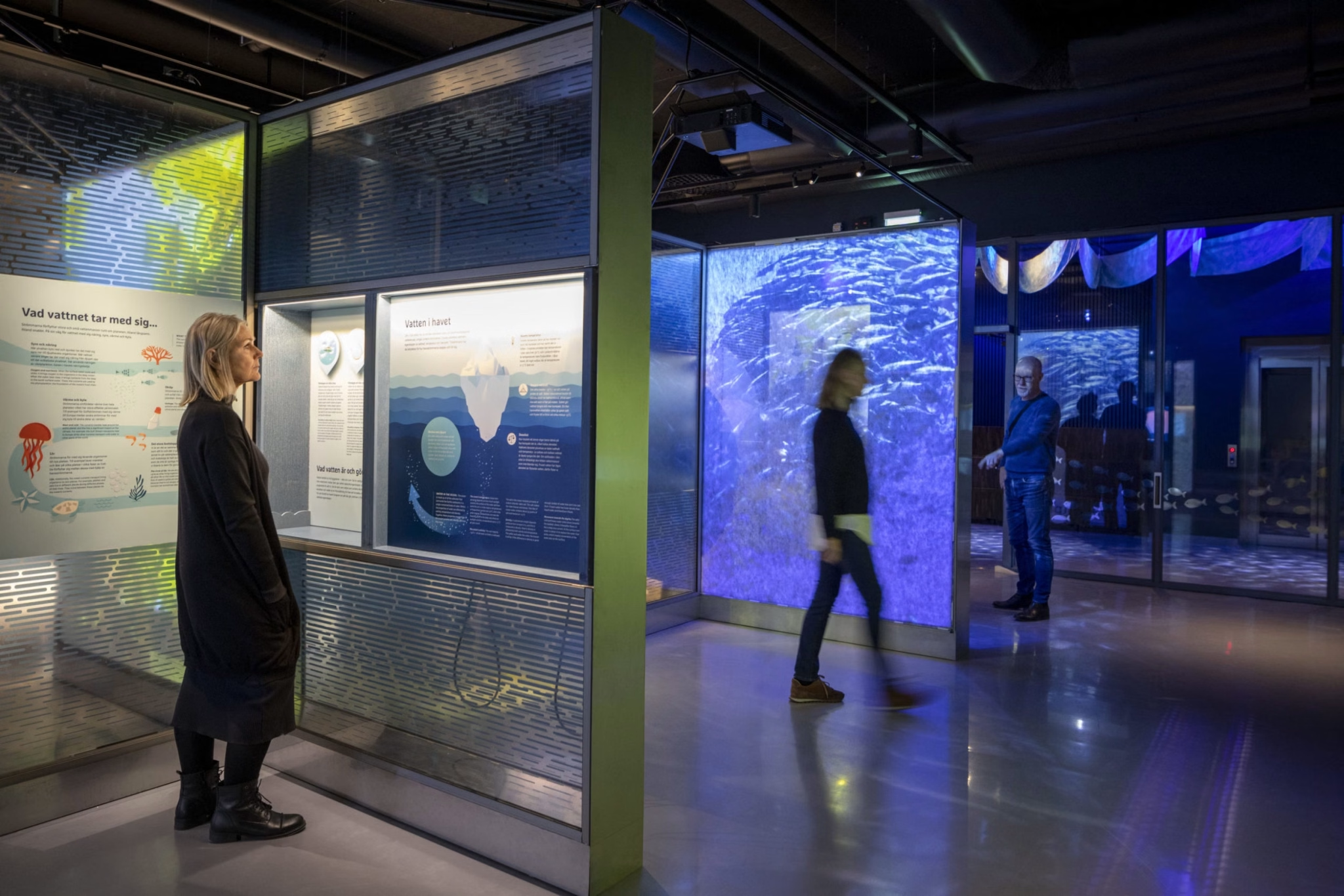
🐠 Visit the Maritime Museum and Aquarium
3. Getting to and around Stockholm
4. Vegan dining options in Stockholm
5. Best time to visit
6. Where to stay
About Gothenburg
Gothenburg — or Göteborg as the Swedes call it, though we English haven’t quite mastered the pronunciation — is Sweden’s second city and, in the view of many who’ve been there, quietly the more enjoyable one. It sits at the mouth of the Göta älv river on the country’s west coast, and it was given its charter in 1621 by King Gustav II Adolf, who apparently just pointed at the ground and declared that this would be the spot. Fair enough. The city was designed largely by Dutch engineers, which explains the canals threading through the centre — a touch of Amsterdam without the stag parties, though you do occasionally spot the trams rumbling past and think there’s something vaguely familiar about the layout. It was a fortified city in its early days, ringed by walls and defended by a string of forts, though the walls are long gone and the forts now mostly offer views and the chance to work up a sweat.
What drove Gothenburg was trade, and lots of it. In the eighteenth century, the Swedish East India Company operated from here, importing silks, spices, and porcelain, which made the merchants very wealthy and gave the city a rather grand set of buildings. Then came the herring boom — which sounds less glamorous but was actually enormously profitable — followed by the industrial revolution, shipbuilding, and the Volvo factory, which put the city firmly on the map of people who care about practical, boxy cars that go forever. The shipbuilding industry collapsed in the 1970s and 80s, leaving vast empty dockyards along the river, but Gothenburg did what good cities do: it turned that into something interesting. The old yards are now cultural venues, museums, and riverside walks, all rather smart.
Culturally, Gothenburg punches well above its weight. It has a world-class art museum, a thriving music scene (the city produced more than its fair share of Swedish bands you’ve heard without knowing they were Swedish), a magnificent botanical garden, and an amusement park that actually lives up to the hype. The people are known for being warmer and more relaxed than Stockholmers — the Swedes themselves acknowledge this, in their characteristically understated way. The food scene is excellent, particularly the seafood, though we promised to leave the food references out of this. The city is easy to get around on its tram network, is compact enough to feel manageable, and large enough that you won’t run out of things to do after a day and a half. We rather liked it.

Things to do
🖼️ Explore the Gothenburg Museum of Art
The Gothenburg Museum of Art — Göteborgs Konstmuseum — sits at the top of Avenyn at Götaplatsen, the city’s grand cultural square, in a building that makes a proper statement. It opened in 1923 and houses one of Northern Europe’s finest art collections, which is a bigger deal than it sounds given the competition. Inside, you’ll find an extraordinary range: Nordic and Scandinavian masters including Carl Larsson, Anders Zorn, and Edvard Munch alongside international heavyweights such as Rembrandt, Rubens, Monet, Picasso, and Chagall. The Scandinavian collection is the real draw, in our view — there’s something particularly striking about seeing works that were painted in this light, in this part of the world, displayed where they belong rather than transplanted to London or Paris. The building itself is worth pausing over, with its imposing façade and the large Poseidon fountain outside — a rather dramatic sculpture that caused some consternation when it was unveiled in 1931 due to the figure’s, let’s say, generous proportions. The temporary exhibitions are consistently good, and the permanent collection alone justifies several hours.
- 📍 Location: Götaplatsen 6, 412 56 Göteborg
- 🌐 Website: goteborgskonstmuseum.se
- 📞 Telephone: +46 (0)31-368 35 00
- ✉️ Email: info.konstmuseum@kultur.goteborg.se
- 🕐 Opening hours: Closed Mondays. Tuesday–Thursday 11:00–18:00 (Thursday until 20:00); Friday–Sunday 11:00–17:00
- 💰 Fees: Adults SEK 75; Museum Card SEK 150 (valid at four Gothenburg museums for one year); free for under 20s and students


🏛️ Step Back in Time at Gothenburg City Museum
🏛️ Step Back in Time at Gothenburg City Museum
The Gothenburg City Museum, or Göteborgs Stadsmuseum, is housed in the old East India Company building on Norra Hamngatan — a suitably grand merchant’s house for an institution that tells the story of a city built on trade. The building dates from 1750 and is an attraction in its own right, with its fine courtyard and stately proportions. Inside, the permanent collection takes you through Gothenburg’s history from its Viking-era origins right up to the industrial twentieth century, with particular attention paid to the East India Company’s voyages and the extraordinary wealth they generated. There’s an impressive collection of Chinese porcelain brought back on those voyages, which the merchants then passed off as European goods to protect their trading licences — history is full of this sort of thing. The industrial galleries covering shipbuilding and the Volvo era are illuminating, and the Viking exhibition gives solid context for how the region developed. The museum does a good job of bringing to life a city that reinvented itself multiple times without losing its essential character.
- 📍 Location: Norra Hamngatan 12, 411 14 Göteborg
- 🌐 Website: goteborgsstadsmuseum.se
- 📞 Telephone: +46 (0)31-368 36 00
- ✉️ Email: stadsmuseum@kultur.goteborg.se
- 🕐 Opening hours: Closed Mondays. Tuesday & Thursday 10:00–18:00; Wednesday 10:00–20:00; Friday–Sunday 10:00–17:00
- 💰 Fees: Adults SEK 75; Museum Card SEK 150 (SEK 130 for seniors over 63); free for under 20s and students


🛒 Browse the Stalls at Stora Saluhallen Market
Stora Saluhallen — the Great Market Hall — has been at the centre of Gothenburg’s daily life since it opened in 1889, and it remains one of those places that feels genuinely useful rather than arranged for the benefit of tourists. It stands on Kungstorget, which had served as an informal market for vendors selling meat, fish, and produce since around 1850. As the city grew, the open-air arrangement became increasingly chaotic — horses, hygiene issues, the usual nineteenth-century difficulties — so the city commissioned architect Hans Hedlund to design a proper covered hall. The result, built from stone, iron, and glass in a style that apparently represented a Swedish first at the time, is a handsome, airy building with a soaring glass roof over iron arches that floods the interior with light. Today around forty stalls and vendors operate inside, selling cheese, charcuterie, bread, chocolate, spices, coffee, and specialty foods from across Europe and beyond. There are sit-down options too, including seafood at Kajutan Saluhallen. Over two million people pass through each year — Gothenburg’s population is around 600,000, which suggests most residents visit more than once, and you can see why.
- 📍 Location: Kungstorget, 411 17 Göteborg (tram to Kungsportsplatsen or Grönsakstorget)
- 🌐 Website: storasaluhallen.se
- 🕐 Opening hours: Monday–Wednesday 10:00–18:00; Thursday–Friday 10:00–19:00; Saturday 10:00–17:00; Sunday closed
- 💰 Fees: Free entry


🏺 Discover Design at the Röhsska Museum
The Röhsska Museum is Sweden’s only specialist museum of design, fashion, and applied arts, and it is considerably more engaging than that description might suggest to those of us who can’t tell a Bauhaus chair from a garden variety one. Founded in 1916 and housed in a solid early twentieth-century building on Vasagatan, it covers applied arts and design from antiquity to the present day, with particular strengths in Scandinavian design from the twentieth century — which is, of course, rather good. The fashion collection is well presented and traces Swedish dress from the eighteenth century to contemporary design, while the ceramics and glass sections showcase work by some of Scandinavia’s finest craftspeople. The temporary exhibitions tend to be thoughtfully curated and often make unexpected connections between historical craft traditions and modern design thinking. What struck us was how accessible the whole thing was — this is not a museum that makes you feel you haven’t read enough to be there. The building itself is quite handsome, with a central hall that creates a good sense of occasion, and the shop has the kind of well-chosen items that you end up buying rather more of than intended.
- 📍 Location: Vasagatan 37–39, 411 37 Göteborg
- 🌐 Website: rohsska.se
- 📞 Telephone: +46 31 368 31 50
- ✉️ Email: info.rohsskamuseet@kultur.goteborg.se
- 🕐 Opening hours: Closed Mondays. Tuesday–Wednesday 11:00–18:00; Thursday 11:00–20:00; Friday–Sunday 11:00–17:00
- 💰 Fees: Adults SEK 75; Museum Card SEK 150; free for under 20s and students


🥐 Tackle a Giant Hagabulle at Café Husaren
🥐 Tackle a Giant Hagabulle at Café Husaren
There are things you do in a city because they are culturally significant, and there are things you do because they are genuinely, unreasonably enjoyable. The Hagabulle at Café Husaren in Haga falls into both categories simultaneously. The café has occupied its listed building on Haga Nygata since the late nineteenth century, with a remarkable preserved glass roof from 1896 that makes the interior a genuinely beautiful space — one of very few of its kind still intact in Sweden. The Hagabulle itself, which the café has been baking since 1985, is a cinnamon bun of spectacular proportions, made from a cardamom-spiced dough with a generous filling of brown sugar, butter, and cinnamon, finished with pearl sugar on top. It is, by any objective measure, far too large for one person. The café describes it as “most likely the largest cinnamon bun in the world,” which is exactly the sort of modest, slightly uncertain boast that feels very Swedish. Whether or not the claim holds up globally, it certainly holds up locally — we have not seen anything comparable on these islands. The correct approach is to order one with a brewed coffee and settle in. This is Sweden’s answer to afternoon tea, and it is not to be rushed.
- 📍 Location: Haga Nygata 28, 411 22 Göteborg
- 🌐 Website: cafehusaren.se
- 📞 Telephone: +46 31 13 63 78
- ✉️ Email: info@cafehusaren.se
- 🕐 Opening hours: Daily 08:00–20:00 (hours may vary; worth checking before visiting)
- 💰 Fees: No admission charge; Hagabulle priced individually


🏰 Climb Up to Skansen Kronan Fortress
Skansen Kronan is a seventeenth-century fortress that sits on top of Skansberget hill in the Haga district, and the main reason to come here — beyond the history — is the view, which is quite splendid. On a clear day you can see out across the whole city, the river, and the docks, and it puts the layout of Gothenburg into immediate perspective in a way that no map quite manages. The fortress itself was built between 1687 and 1700 as part of the city’s defensive ring, with its distinctive circular design meant to allow cannon fire in all directions. It saw various military uses over the centuries before eventually being demilitarised and opened to the public. The building has been used as a prison, a gunpowder store, and various other purposes that the Swedish authorities presumably thought justified dragging things up a steep hill. Getting there involves a climb through Haga’s atmospheric streets, which is no bad thing in itself — and if you’ve just come from Café Husaren, the walk is probably doing you a favour. The fortress hosts tours and private events, so it’s worth checking availability in advance.
- 📍 Location: Skansberget, Linnéstaden, Göteborg
- 🌐 Website: skansenkronan.se
- 📞 Telephone: 031-711 30 33
- ✉️ Email: booking@skansenkronan.se
- 🕐 Opening hours: No drop-in visits; private tours and events by booking only. Check website for details.
- 💰 Fees: Varies by event/tour; check website


🚢 Discover Volvo’s Story at World of Volvo
Gothenburg without Volvo is a bit like Turin without Fiat, or Crewe without Bentley. The car was invented here — or rather, the first Volvo rolled off the production line here in 1927 — and the World of Volvo is a genuinely impressive attempt to tell that story. It opened in 2023 in a striking purpose-built venue at Lyckholms Torg, right in the city, and it goes well beyond what you might expect from a corporate museum. The exhibition covers Volvo’s history from that first ÖV4 — a rather charming-looking vehicle that was designed to cope with Swedish roads, hence the robust construction — through the decades of estate cars and saloons that made the brand synonymous with safety, right up to the current electric models. There are interactive displays on the engineering and safety innovations that Volvo genuinely pioneered, including the three-point seatbelt, which the company invented and then gave away to the entire industry free of charge, which may be the most consequential act of corporate generosity in motoring history. The building itself is worth visiting — a dramatic space designed to integrate cars, design, and experience in a way that feels fresh rather than corporate. Even people who have never especially cared about Volvos tend to come out impressed.
- 📍 Location: Lyckholms Torg 1, 412 63 Göteborg
- 🌐 Website: worldofvolvo.com
- 📞 Telephone: +46 (0) 10 265 27 10
- ✉️ Email: hello@worldofvolvo.com
- 🕐 Opening hours: Monday–Wednesday 10:00–17:00; Thursday 10:00–19:00; Friday–Saturday 10:00–17:00; Sunday 10:00–16:00
- 💰 Fees: Building entry is free; Exhibition ticket from SEK 250 (adults), discounts for children, students, seniors; 10% discount when booking online


⛵ Island-Hop in the Southern Archipelago
One of Gothenburg’s greatest assets is the archipelago that sits just to its south-west — a scattering of granite islands that you can reach entirely on the city’s public transport network, which strikes us as a very good use of a tram card. Take tram 9 or 11 to Saltholmen and board one of the ferries that serve the southern islands; the whole journey from the city centre takes about an hour. The southern islands — Brännö, Styrsö, Donsö, and their neighbours — are largely car-free, which gives them an unusually peaceful quality even in summer. Brännö is known for its traditional Swedish character, with wooden houses painted in ochre and red, a small harbour, and paths across the granite outcrops that lead to swimming spots where you can drop into the sea from the rocks. Styrsö is a bit larger and has a network of walking routes. The scenery is classic Swedish west coast: smooth grey rock, pine trees, the sea, and wide skies. It’s the sort of place that makes you understand why Swedes spend all summer outdoors. The ferry tickets are covered by standard Gothenburg public transport passes, which makes the whole thing absurdly good value.
- 📍 Location: Depart from Saltholmen (take tram 9 or 11 from city centre); approximately 1 hour from Central Station
- 🌐 Website: vastsverige.com
- 🕐 Opening hours: Ferries run year-round; check Västtrafik for timetables
- 💰 Fees: Covered by standard Gothenburg public transport ticket


🏘️ Stroll Through the Historic Haga District
Haga is Gothenburg’s oldest preserved neighbourhood, and it is exactly the sort of place that makes you want to slow down and spend more time than you planned. It sits just south of the city centre, spreading out from Haga Nygata, its main street, and it offers a rare glimpse of what Gothenburg looked like before the grand nineteenth-century rebuilding swept most of the old town away. The buildings here are largely from the nineteenth century — the distinctive landshövdingehus style, with a stone ground floor and two wooden storeys above, is peculiar to Gothenburg and to Haga in particular. The area went through a rough period in the 1960s and 70s when it was targeted for demolition, and it was only saved by a residents’ campaign that is still celebrated locally. Today it is one of the most atmospheric parts of the city, with cobbled streets, independent shops, galleries, and the kind of unhurried pace that feels genuinely Swedish rather than performed for tourists. The climb from here up to Skansen Kronan fortress offers fine views across the rooftops, which is a good excuse to combine both visits in a single afternoon.
- 📍 Location: Haga Nygata and surrounding streets, Centrum, Göteborg. A short walk from Central Station.
- 🕐 Opening hours: Outdoors area accessible at all times; individual shops keep their own hours
- 💰 Fees: Free to explore


🐠 Visit the Maritime Museum and Aquarium
The Sjöfartsmuseet Akvariet — which translates more or less as the Maritime Museum and Aquarium — sits at Karl Johansgatan in the Majorna district and covers both the natural life of the Swedish west coast and the seafaring history that shaped Gothenburg. The aquarium section is excellent, with tanks displaying the marine life of the North Sea, the Baltic, and further-flung waters, including a large shark tank that tends to hold the attention in a way that the historical displays sometimes struggle to match. The maritime history collection is genuinely fascinating, however, tracing the development of Gothenburg as a port from its early trading days through the great age of emigration — hundreds of thousands of Swedes left for America through this port in the late nineteenth and early twentieth centuries — and into the twentieth century of tankers, container ships, and the eventual decline of the great shipyards. The model ship collection is impressive, and the exhibits on the conditions aboard working vessels are sobering. There is a lighthouse you can climb for views over the harbour, and the whole museum is priced accessibly, with free entry for under-20s and students.
- 📍 Location: Karl Johansgatan 1–3, 414 59 Göteborg
- 🌐 Website: sjofartsmuseetakvariet.se
- 🕐 Opening hours: Tuesday–Sunday (closed Mondays); Wednesday evenings until 20:00
- 💰 Fees: Adults SEK 75; free for under 20s and students

The Best Time to Visit Gothenburg
🌸 Spring (March–May)
Gothenburg shakes off the grey of winter slowly. March remains cold and often wet, with temperatures hovering between 2°C and 8°C, but by April the city begins to feel alive again. Canals reflect pale blossom, café terraces tentatively open, and the parks — particularly Trädgårdsföreningen — burst into colour by May. Crowds are thin and prices are reasonable, making spring a quietly rewarding time to visit. Rainfall is moderate and daylight stretches noticeably longer by May, giving you plenty of time to explore the Haga district’s cobblestones and canal-side architecture without the summer masses. The Gothenburg Culture Festival typically anchors late spring with music and open-air performances.
What to pack: Lightweight layering system, waterproof jacket, comfortable walking shoes with grip, light scarf and gloves for March, a compact umbrella, smart-casual layers for evenings.
☀️ Summer (June–August)
This is Gothenburg at its most exuberant. Long Scandinavian days — up to 18 hours of daylight in June — transform the archipelago, the waterfront, and the city’s outdoor spaces into something genuinely joyful. The Southern Gothenburg Archipelago is best explored by ferry in summer, with swimming, kayaking, and island-hopping very much on the agenda. The Way Out West music festival draws large crowds in August, and Liseberg amusement park is in full swing. Temperatures typically reach 20–25°C, occasionally higher, though overcast days are still common. Book accommodation well in advance as this is peak season and prices reflect demand.
What to pack: Light cotton clothing, sunscreen, sunglasses, a light waterproof layer for cooler evenings, swimwear, comfortable sandals for the archipelago, one warmer layer for breezy evenings.
🍂 Autumn (September–November)
A hugely underrated time to visit. September in particular is beautiful: the temperature remains mild (12–16°C), the summer crowds have thinned, and the city’s parks and tree-lined streets turn copper and amber. The restaurant scene — already one of the city’s greatest assets, anchored by its remarkable concentration of Michelin-starred restaurants — feels at its most atmospheric in autumn. The fish market at Feskekôrka and the food halls come into their own as the season shifts. By November the weather deteriorates sharply, with more rain and temperatures falling below 5°C, though early November still rewards the hardy visitor with low prices and authentic urban atmosphere.
What to pack: Warm mid-layer fleece, quality waterproof outer jacket, sturdy waterproof boots, trousers rather than shorts, warm hat and gloves for October onwards, a smart layer for restaurant evenings.
❄️ Winter (December–February)
Gothenburg in winter is best framed as a city of interiors: the warmth of a Scandinavian julbord Christmas feast, the glow of candlelit restaurants, the coziness of a coffee house in Haga. Christmas markets run through December, and Liseberg’s winter transformation into a fairy-lit festive park is one of Scandinavia’s most visited seasonal events. That said, conditions are genuinely cold and dark. Temperatures range from -2°C to 4°C and daylight lasts only six to seven hours. Snow is possible but not guaranteed. January and February are quieter still, with low prices and the occasional striking grey-blue Nordic light on the waterfront.
What to pack: Heavy insulated coat, thermal base layers, waterproof and insulated boots, warm hat, gloves and scarf, woollen socks, smart warm layers for dining out, portable hand warmers for extended outdoor time.
📊 Summary Table


🏆 Overall Best Time to Visit
For most visitors, late May through early September represents the sweet spot, offering the longest days, the warmest temperatures, and the full range of outdoor activity that makes Gothenburg — with its archipelago, waterfront, and park culture — genuinely distinctive. July and early August are peak season and carry the crowds and prices that come with that. Those who prefer a quieter, more atmospheric visit with still-reasonable weather should consider September, which combines mild temperatures, autumn colour, low-crowd levels, and the city’s outstanding restaurant scene at its most welcoming. Winter is for the genuinely cold-hardy or those drawn specifically to Liseberg’s Christmas experience. Spring rewards patience: it arrives slowly, but by May offers real charm at good value.
Getting Around
✈️ Getting to Gothenburg
By Air
Gothenburg Landvetter Airport (GOT) lies about 25 km east of the city. The easiest transfer into town is with Flygbussarna airport coaches, which depart from directly outside Arrivals and drop passengers at Nils Ericson Terminal near Central Station. The journey takes around 30–45 minutes. Tickets can be bought via the Flygbussarna app or online. FlixBus also runs an airport-to-city service from around 79 SEK. Taxis are available at the airport rank; agree a fare or ensure the meter is running before setting off.
🌐 flygbussarna.se | flixbus.com
By Train
Gothenburg Central Station (Göteborg Centralstation) is well connected by SJ, Vy and Öresundståg to Stockholm (~3 hrs), Oslo (~3.5 hrs), Malmö (~3 hrs) and Copenhagen (~3.5 hrs). Trains are reliable and scenic.
🌐 sj.se | vy.se
🚊 Getting Around the City
Tram
Gothenburg’s extensive blue tram network is the backbone of city transport and a pleasure to ride. Thirteen lines cover the centre and inner suburbs, linking all major sights. Run by Västtrafik, trams are clean, frequent and eco-friendly. Ticket machines are available on board (card only); you can also buy via app.
Bus
Västtrafik buses fill in where trams don’t reach and use the same ticketing system. Note: buses do not have on-board ticket machines, so buy beforehand via app, card machine at stops, or at convenience stores such as Pressbyrån and 7-Eleven.
Ferry & River Boat
Ferries are part of the Västtrafik network and covered by standard tickets and day passes. The river boats operate in central Gothenburg; pay the deckhand by card. Styrsöbolaget runs services to the southern archipelago from Saltholmen — also valid with a Västtrafik pass.
🎫 Tickets & Travel Cards
All Västtrafik travel — trams, buses, ferries and boats — is covered by a single ticket. A single tap of a contactless bank card gives a 90-minute travel window across all modes, so you can switch freely within that time at no extra cost.
For visitors:
- 1-day ticket from SEK 115 (adult), 3-day ticket also available — both valid on all Västtrafik transport
- Adult period or day ticket holders can bring up to three under-20s for free
- Day tickets are bought via the Västtrafik To Go app or at service centres and selected shops
- Tickets become valid on first use, or at a pre-set time, and must be used within 30 days of purchase
The easiest option is the Västtrafik To Go app, which allows you to buy single or day tickets, plan journeys, and get real-time updates.
🌐 vasttrafik.se
🚲 Cycling
Gothenburg is flat and bike-friendly, with dedicated cycle lanes across the city. The public bike-share scheme Styr & Ställ has over 60 (and 135+ in season) docking stations citywide. Bikes can be borrowed for up to 30 minutes free; register and locate stations via the Nextbike app. The scheme runs from March to December, with extra summer stations open June–August.
🌐 styrochstall.se
🛴 Electric Scooters
Several e-scooter hire services operate across Gothenburg, including Voi, Tier and Lime. Locate and unlock scooters via each operator’s app. Scooters are limited to 20 km/h on public roads.
🌐 voiscooters.com
🚕 Taxi & Ride-Hailing
Taxis can be hailed on the street, found at designated ranks, or booked by phone. Approved taxis display yellow number plates. Reputable firms include Taxi Göteborg (+46 31 650 000) and Taxi Kurir (+46 771 86 00 00). Uber and Bolt also operate in the city for app-based, cashless travel.
🚶 On Foot
Gothenburg city centre is compact and very walkable. Most major attractions, museums and the waterfront are within easy reach of each other on foot — the most pleasant option on a fine day.
Eating out for Vegans

🌱 Blackbird Vegankök & Bar
Gothenburg’s most iconic fully vegan pub and restaurant, born from a crowdfunding project. The regularly changing menu leans on Swedish pub classics and international dishes, all made from scratch including housemade cheeses, tempeh and seitan. Décor is second-hand and laid-back with a bohemian punk spirit; Thursday evenings usually feature a DJ.
- Location: Stigbergsliden 3, 414 63 Göteborg
- Website: www.blackbirdvegan.se
- Phone: +46 31 12 22 02
- Opening hours: Mon: Closed · Tue–Thu: 17:00–22:00 · Fri–Sat: 17:00–23:30 · Sun: Closed
🥗 Café Andrum
One of Gothenburg’s oldest vegetarian and vegan restaurants, operating as a self-service buffet with rotating hot dishes, salads, soups and bread — most of it vegan. Set in a spacious two-floor space with outdoor seating, just below Gustav Adolf’s Square.
- Location: Östra Hamngatan 19, 411 10 Göteborg
- Website: www.andrumvegetarisk.se
- Phone: +46 31 13 85 04
- Opening hours: Mon–Fri: 11:00–21:00 · Sat–Sun: 12:00–21:00
🍔 Göteburgare Vegan
Gothenburg’s first fully vegan burger bar, on the lively Andra Långgatan strip. Burgers come with patties of tofu, black beans, soy mince or portobello mushroom, alongside sweet potato fries and oat milkshakes. A new burger is introduced every month. Dog-friendly with outdoor seating.
- Location: Andra Långgatan 11, 413 03 Göteborg
- Website: www.goteburgare.se
- Phone: +46 31 22 52 55
- Opening hours: Mon: Closed · Tue–Thu: 16:00–00:30 · Fri–Sat: 16:00–01:30 · Sun: Closed
🚚 Jinx Food Truck
A Gothenburg institution since 2015, parked permanently on Magasinsgatan. Serves Asian-inspired street food — bao buns, thaicos and rice bowls — with a popular vegan bun filled with crispy marinated tofu, kimchi salsa and pickled cucumber. The concept has since expanded to include the nearby Jinx Dynasty restaurant.
- Location: Magasinsgatan 17, 411 18 Göteborg
- Website: www.jinxfoodtruck.se
- Phone: +46 73 525 98 46
- Opening hours: Mon–Fri: 11:00–14:00 · Sat: 12:00–14:00 · Sun: Closed
🎵 Hängmattan Kök & Bar
A vegetarian restaurant, bar and live music venue inside Musikens Hus, Gothenburg’s independent cultural centre in Majorna. The weekday lunch buffet is a vegan favourite; the evening menu runs Wednesday to Sunday with burritos, bowls, seitan schnitzel and local craft beers. Runs entirely on solar power.
- Location: Karl Johansgatan 16, 414 59 Göteborg
- Website: www.musikenshus.se
- Phone: +46 31 12 15 83
- Opening hours: Mon–Tue: Lunch only · Wed–Fri: Lunch & evening · Sat–Sun: 15:00–23:00 (check website, as hours vary with events)
Where to Stay
⭐⭐⭐⭐⭐ Elite Plaza Hotel
The Elite Plaza Hotel is housed in a palatial building on Västra Hamngatan, right in the heart of the city, and it is the kind of place that makes an immediate impression when you walk in. The building dates from 1889 and was designed to impress — it still does, with its preserved stucco ceilings, mosaic floors, and an atmosphere of confident, unhurried elegance that you don’t often find in hotels that have been this close to the city centre for this long. The 127 rooms combine classic Scandinavian design with international comfort, and the standard of service is what you’d expect from a five-star property that knows its business. There’s a gym and sauna on site, with free access to a Friskis & Svettis fitness centre nearby, and the hotel’s restaurant and bar offer good options without you needing to go anywhere. The Bishops Arms pub in the basement is a proper English-style gastropub — a slightly surprising find in central Gothenburg, but not an unwelcome one. Central Station, the opera house, and most of the main sights are within comfortable walking distance. Breakfast is included with stays, which at this price point seems only reasonable.


⭐⭐⭐⭐ Clarion Hotel Post
The Clarion Hotel Post occupies the former main post office building right at Drottningtorget, next to Gothenburg Central Station, and it is one of those hotels that has been converted so successfully from its original use that you briefly forget it was ever anything else. The building is magnificent — a grand early twentieth-century structure that has been given a thoroughly modern interior without losing its bones. The centrepiece is the rooftop pool, which offers views across the city and is quite the thing on a summer evening, though rather less essential in February, obviously. The spa, Skönhetsfabriken, offers a full range of treatments at an extra cost. Rooms are stylishly designed in a clean, contemporary Scandinavian style, and the hotel’s restaurants and bars do brisk business with both guests and locals. With 21 conference spaces, it caters substantially to the business market, but this doesn’t diminish the experience for leisure guests — if anything, it explains the high level of polish in the service. Its location, with the station directly opposite, makes it about as convenient as a Gothenburg hotel can be.

⭐⭐⭐Hotel Royal
Hotel Royal has been receiving guests since 1852, which makes it the oldest hotel in Gothenburg, and it has the kind of quiet confidence that comes from knowing it has outlasted most of its competition. It sits on Drottninggatan in the city centre and is a refreshingly independent property in an area dominated by large chains — family-run, characterful, and entirely at ease with what it is. The lobby, with its hand-painted glass ceiling and wrought iron staircase, makes for a considerably more atmospheric arrival than most hotels at this price point can offer. Rooms have their own individual styles rather than the identikit uniformity that chain hotels tend to favour, and the hotel provides complimentary coffee and homemade cake in the lobby, which is either a charming touch or a mild inconvenience depending on your willpower. The building has been maintained thoughtfully, with original features preserved alongside modern necessities. It is not a flashy hotel, but it is a well-run, honest one with genuine character, and the central location puts you within easy reach of all the main sights without paying five-star prices.

⭐⭐Best Western Tidbloms Hotel
Best Western Tidbloms Hotel offers solid, reliable accommodation in the Bagaregården district of Gothenburg at prices that won’t require a remortgage. With 42 rooms, it’s a small property by chain standards, which means the service tends to be more personal than you might expect from the brand. Rooms are straightforward and comfortable, with flat-screen televisions, free WiFi, and decent bathrooms — nothing spectacular, but everything you actually need. The hotel’s Stumari restaurant serves a complimentary breakfast buffet, and there’s a bar and lounge for the evenings. The location is a little way from the absolute city centre — perhaps a 10–15 minute tram ride — but Gothenburg’s tram network is excellent and the journey in is straightforward. Free parking is available, which in a city-centre hotel at any price point is worth noting. Conference facilities are available for those who’ve somehow ended up working on their holiday. The property has a 3-star Superior rating from the Hotelstars Union and guest reviews consistently praise the value for money, cleanliness, and the quality of the breakfast. Sensible, comfortable, unshowy accommodation — sometimes that’s exactly what you want.

🛏️ Kvibergs Vandrarhem (Hostel)
Kvibergs Vandrarhem has been welcoming budget travellers since 1995 and is widely regarded as one of the most reliable hostel options in Gothenburg. It’s a family-run operation at Lilla Regementsvägen 35 — about ten minutes from the city centre by tram — and the ownership shows in the care taken over the place. Accommodation ranges from private rooms sleeping one to five people through to self-contained cabins in the grounds, which gives it a more flexible feel than the average hostel and makes it particularly popular with families and small groups who want their own space without paying hotel prices. The shared kitchen is well-equipped, the garden has barbecue facilities, free parking is available, and WiFi is included. The atmosphere is reliably friendly and the site is well-maintained. Its position, while not central, is served by a direct tram link that makes the city easy to access, and the quiet neighbourhood gives it a more relaxed character than hostels that sit in the thick of the nightlife. For those who want good-value, clean, well-managed accommodation with the option of a bit of privacy, it is an excellent choice.

1 2
More to Explore


This unique air museum lives inside a 22,000 m2 hanger that sits 30m under a mountain. It was completed in 1955 and was built at the then Göta Air Force Base.

The Tanum rock carvings are an outstanding example of Bronze Age art. There are an astonishing 1,500 known rock carving sites in western Sweden’s Bohuslän region, including the ones in Tanum, where inhabitants from the Bronze Age have carved images into the smooth rocks of the landscape.